On Losing My Best Friend

On May 24th, 2018, I was attending a school formal at the small, private Christian academy where I worked at the time. It was at a local golf club, and the day was perfect. The sun was setting over New York’s Hudson Highlands, and the air was dry and warm–the brief “sweet spot” between the snow and oppressive humidity we experience in late spring. A dozen miles away, a small group of friends was exploring an old quarry next to the Hudson River. I thought about going with them, but when asked to lead worship at the formal, I bailed out, and they went on.
Right as the sun set, I got a call from my older brother. He told me that I needed to go to my parents’ house immediately, but couldn’t tell me why. Irritated and confused, I sped the few miles over to my mom and dad’s. When I walked in, my dad was on the phone and told me to wait a minute, as I became more and more frustrated. He hung up and insisted I sit down, my heart beginning to race as I realized something terrible had happened. He calmly explained that during the hike I had missed, Kenny, my best friend, had slipped while climbing up a rocky escarpment and landed on his head. He had already been pronounced dead.
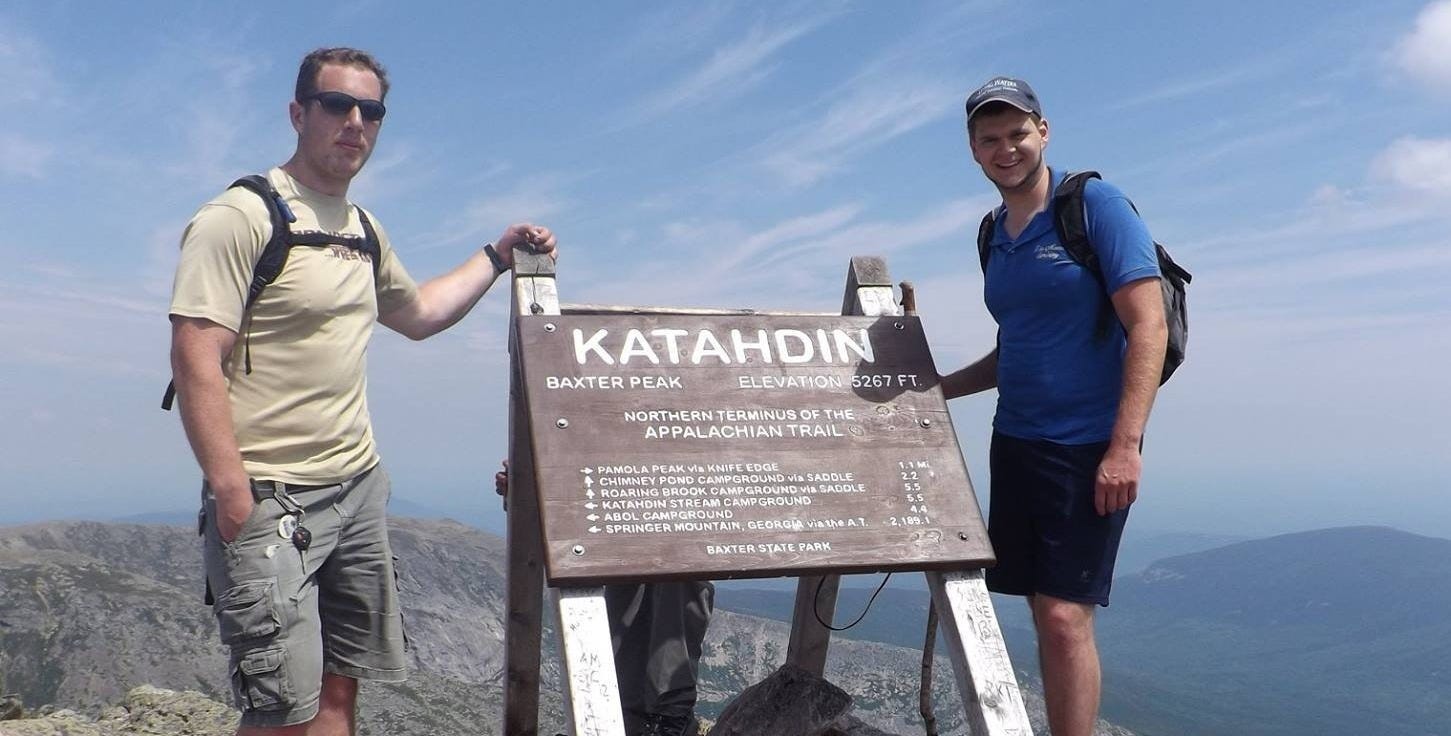
Kenny and I had been friends for years. We had been in the same homeschooling co-op at one time, the same Boy Scout troop, and then went to college together. As teens turned into early 20s, we shared most of the same values and interests–literature, old movies, the outdoors, and most importantly, Christian Faith. We went on numerous outdoor adventures together, traveling throughout the Northeast to places like Mt. Marcy, Mt. Desert Island, and various points along the Appalachian Trail. We ended up at the same church, had the same friends, and saw each other constantly. He was in my wedding. I assumed he’d be “Uncle Kenny” to my kids. I couldn’t conceive of a life without him around.
The days following his death were dysphoric. The first night, I almost convinced myself that the whole thing was a dream. When I woke up the next morning, I spent about half the day thinking that there must have been a mistake, and any minute we’d hear that he was in a coma and would come out of it soon. By the end of the second day, I had accepted the facts.
I’d never seen anything like what proceeded over the next four days. His friends, mostly from our church, spent time together night and day–praying, telling stories, even laughing at his idiosyncrasies and talking about how much we’d miss them. I was mostly quiet. Disbelief had given way to despair. The funeral came and went, and everybody went back to work and routine. I felt like I had been left behind somehow–that I had missed my opportunity to grieve. All that was left was emptiness. Cold, hard, soundless emptiness.
The whole experience was my first taste of the loss of someone very close to me–someone who was such an integral part of life that their death meant a piece of me was gone as well. Over the next few months, grief came in waves. I’d drive up to the Catskill Mountains to be alone, hike into the forest, and wait for some kind of profound feeling or sense. I wanted God to speak directly to me. I wanted Him to explain why He had allowed this.
But all I heard was the wind through the trees and the slowly fading sound of crickets as summer gave way to autumn.
Since hiking and camping had been such an important part of our friendship, I decided to complete a local hiking challenge that winter (the “ Catskill 3,500 Club”). This would be an opportunity to work through the despair constructively. I’d go out each week, often driving hours, hiking at night, and plowing through thigh-deep snow, to cross peaks off my list. Around the time of the first anniversary of this death, I had just about completed all the required ascents. I had spent days in the wilderness with just God and the world He made. The pain didn’t go away, but it dulled. God never shouted to me, but He revealed Himself in ways I hadn’t previously noticed.
What made the process of losing my best friend easier was that I didn’t have any doubts about where he had gone after leaving this world behind. Ironically, just three days before his death, we had both been at a men’s Bible study where we got into a conversation about what we’d want written on our tombstones. When Kenny’s turn arrived, he said without hesitation,
“Just one life, will soon be past.
Only what’s done for Christ will last.”
When I thought about his trajectory in the months leading up to his death, I noticed a definitive shift in his thinking and behavior. He had been frustrated about his life’s path in both career and relationships, but he had recently become almost so optimistic about the future that I almost found it annoying. He was friendly to everyone, and it was reciprocated. He was growing in faith, godliness, and wisdom. We had gotten to the point where the roles had reversed–instead of me trying to encourage him through life’s struggles and frustrations, he was encouraging me.
There have been many times throughout the last eight years that I wished he were still here. Not being able to see him get married, have children, and go through the monumental societal shifts and plunges together has often been discouraging. But if there’s one thing I learned throughout the process of loss, it’s that the “Sunday School answers” are the ones that end up meaning the most:
“Absent with the body, present with the Lord.”
“It is better to depart and be with Christ,”
“I will never leave you or forsake you.”
“Cast all your cares upon Him, for He cares for you.”
“Be still and know that I am God,”
“They that wait upon the Lord will renew their strength.”
At the end of the day, the simple truths of Scripture are the best and, really, only consolation. To know that I’ll see him again and we’ll spend eternity together makes the parting, though difficult, bearable.
Praise God for loving His saints, sometimes by calling them home, other times by giving them the strength to bear another day.
And if I go and prepare a place for you, I will come back and take you to be with me that you also may be where I am. – John 14:3
David Harris is the executive director of TruthScript. He has degrees in English Literature, linguistics, and education from The State University of NY. An educator, he’s taught a variety of subjects from K-12 in private and public schools. David has been involved in various ministries in New York, Southern Africa, and the Dominican Republic. He currently lives on the rugged Cumberland Plateau in Middle Tennessee with his wife and two daughters.